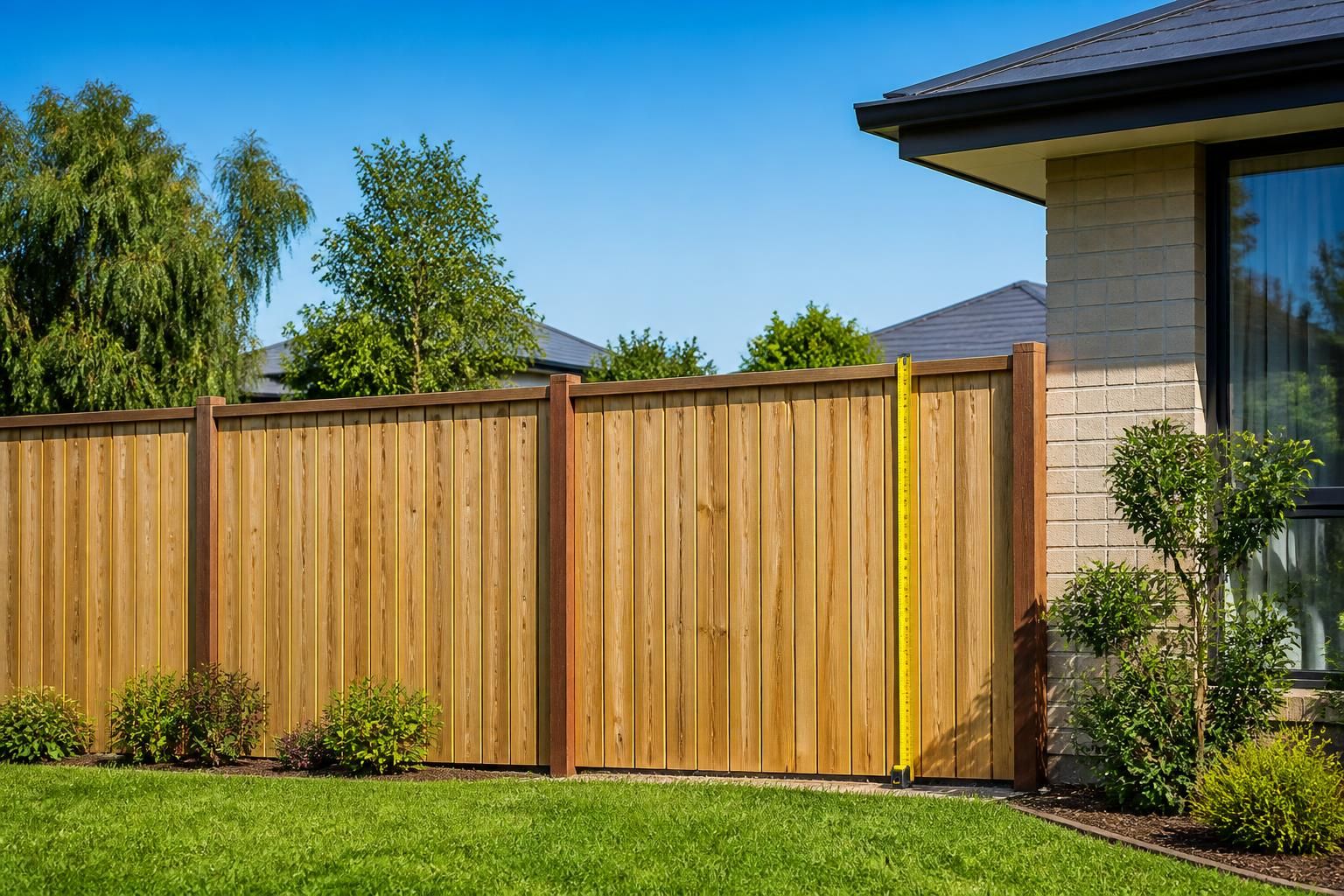
Understanding fence regulations can be a daunting task for many homeowners in South Australia. Amid evolving local council requirements, building codes, and neighbourly considerations, determining the correct fence height and adherence to relevant rules and regulations is crucial for compliance and long-term satisfaction. The boundaries of private properties are not only physical demarcations but legal constructs that necessitate cooperation between neighbours. Homeowners must navigate these intricacies carefully to avoid costly disputes and penalties.
South Australia’s approach to fencing balances individual property rights with shared responsibilities, especially when it concerns boundary fences. The process is governed primarily by the Fences Act 1975, which outlines the ownership, maintenance, and installation of boundary fencing between properties. This legislation ensures that both neighbours have a say and that costs and duties related to fencing are equitably shared where appropriate.
For homeowners, grasping this legislative background unlocks not just understanding, but the empowerment to make informed decisions about fencing projects. Whether upgrading an old fence, erecting a new divider, or ensuring compliance with the local council’s building code, awareness of these rules helps in planning correctly and fostering good neighbourly relationships.
Over the next sections, we will delve deep into South Australia’s fence height standards, co-ownership rights under the Fences Act, practical steps for negotiating with neighbours, the interplay between state-wide standards and local council regulations, and Australian fencing standards relevant to materials and safety considerations. These insights will equip homeowners with the knowledge to undertake fencing confidently and legally.
Key Points at a Glance:
- Fence height regulations in South Australia usually allow fences up to 2 metres without council approval; higher fences usually require permits.
- The Fences Act 1975 governs boundary fences as jointly owned by adjacent property owners, regardless of who pays.
- Formal notices must be served to neighbours if asking for their contribution or permission for installing or repairing fences.
- Failure to follow the right procedures can lead to disputes settled through mediation or the Magistrates Court.
- Material standards and safety considerations, including pool fence requirements, are regulated nationally but enforced locally.
Understanding South Australia’s Fence Height Regulations for Residential Properties
One of the most immediate concerns for homeowners in South Australia is determining the maximum fence height allowed without special permissions. While fences are often built to provide privacy, security, or aesthetic enhancement, restrictions exist to maintain community standards and avoid obstructing views or light.
Generally, residential fences up to 2 metres in height can be constructed without requiring development approval from the local council. This includes most timber, colorbond, and metal fences, provided they comply with relevant building codes. Masonry fences usually have a lower threshold; fences higher than 1 metre in masonry require council consent given their more permanent nature and potential impact on neighbours.
For fences exceeding 2.1 metres, homeowners need to apply for a permit. Council considerations may include the fence’s impact on neighbourhood character, sightlines—especially near intersections, drainage concerns, and whether it breaches any property boundary setbacks. For corner properties, additional restrictions may apply to maintain traffic safety.
To illustrate, imagine Mrs. Thompson decides to install a 2.5-metre-high wooden fence around her backyard for privacy. Because her fence surpasses the 2-metre limit, she submits an application to her local council with detailed plans. The council reviews the proposal ensuring no breaches of zoning laws or unsafe blocking of views. Once approved, Mrs. Thompson proceeds, confident her new fence complies with regulations.
These height rules are designed to balance individual privacy needs and community living standards. Homeowners should always consult their council early in their planning stage to clarify any specific height restrictions or additional bylaws applying to their property suburb or zone. Resources like what are the requirements for a fence in South Australia provide helpful local insights.
Common fence height limits in South Australia
| Fence Type | Maximum Height Without Council Approval | Comments |
|---|---|---|
| Standard Timber or Metal Residential Fence | 2 metres | Typical neighbourhood fences; may vary by council |
| Masonry Fence | 1 metre | Often requires development approval above this height |
| Fences Near Road Intersections | 1 metre | Height limited for visibility and safety reasons |
| Pool Fencing | 1.2 metres (minimum) | Compliant with Australian safety standards |
Exploring The Fences Act 1975: Rights and Responsibilities of South Australian Neighbours
Boundary fences in South Australia are not just a matter of putting up a barrier. The Fences Act 1975 defines these fences as jointly owned assets between neighbours, regardless of who paid for them or whether the fence lies exactly on the property boundary.
This ownership model means no single neighbour may unilaterally decide to erect, replace, or repair a boundary fence without consulting the adjoining property owner. Before undertaking any fencing work, either neighbour must serve a formal notice of intention to commence the work. The notice outlines details such as the fence’s dimensions, materials, estimated costs, and the proportion of costs proposed to be borne by the neighbour.
The process encourages good communication and ensures fairness. If a neighbour agrees to the works or does not respond within 30 days, the work may go ahead, and costs can be shared accordingly. However, if a neighbour objects, a series of cross-notices and negotiations follow. This negotiation can continue until an agreement is reached or one party may seek resolution through mediation or the Magistrates Court.
This legal framework often surprises homeowners with its complexity but is designed to protect property rights and encourage neighbourly harmony. For instance, Mr. and Mrs. Davis wanted to replace their old boundary fence with a new, sturdier colorbond fence. They served a notice to their neighbour. The neighbour objected due to the material choice, prompting negotiations. They agreed to split costs for a less expensive timber fence instead, avoiding conflict and legal expenses.
The Fences Act 1975 neighbour disputes guide offers a detailed walkthrough of this process, aiding homeowners in managing these delicate situations.
Key steps when planning boundary fence work under the Fences Act
- Deliver a written notice of intention to commence fence works directly to the neighbour, by hand or registered post.
- If the neighbour consents or does not respond within 30 days, proceed with the works and cost sharing.
- If your neighbour objects, respond within 30 days with a cross-notice outlining reasons or alternatives.
- Negotiate until agreement is reached or seek mediation if disputes persist.
- If mediation fails, apply to the Magistrates Court for arbitration.
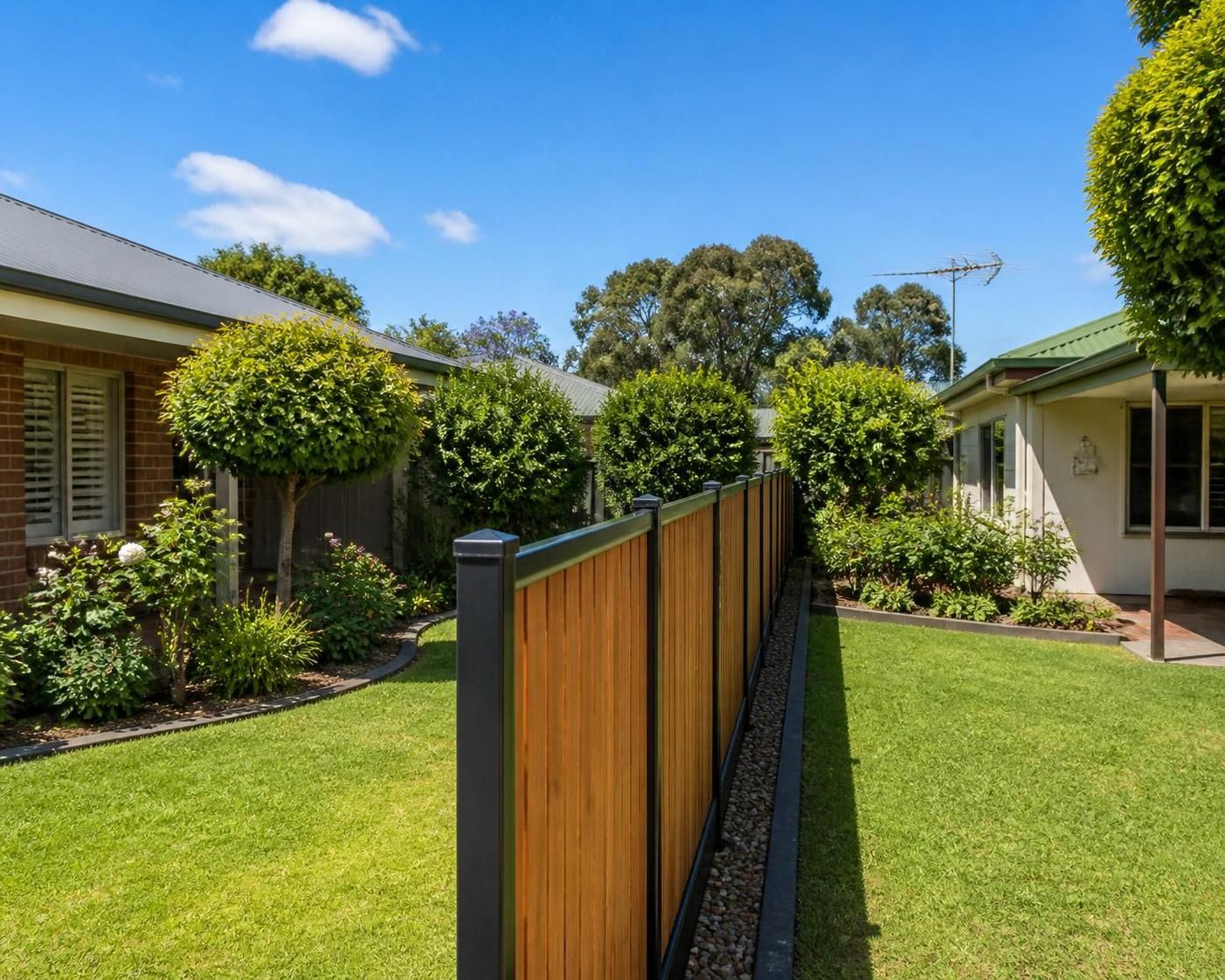
Coordinating with Local Councils: Compliance and Permit Requirements for Fencing in South Australia
Local councils in South Australia play a pivotal role in ensuring fences comply with municipal planning schemes and building codes. Even if a fence meets the height regulations stipulated by the state, additional council rules may apply. Homeowners should engage their council early in the process to obtain advice specific to location, zoning, and materials.
For example, while typical timber and colorbond fences under 2 metres generally require no development approval, some councils impose stricter rules or design standards to maintain neighbourhood aesthetics. Masonry fences and fences adjacent to roads or public land often require permit applications, and material safety standards must be upheld.
Failure to secure the necessary approvals can lead to enforcement actions, including orders to modify or remove non-compliant fences. This underscores the importance of advance planning and dialogue with council officers. Australia’s fencing standards and laws are complex; staying informed through authoritative sites and local specialists is crucial.
Homeowners can leverage resources like SA fencing laws explained or contact licensed fence builders familiar with both the Fences Act and local compliance requirements to streamline this process.
How local council regulations integrate with fence height and material standards
- Verification of fence height limits relative to property boundary and road setbacks.
- Assessing fence materials for compliance with Australian Standards and council guidelines.
- Ensuring pool fences meet safety standards such as AS1926 for child safety.
- Confirming that fence designs conform to heritage or environmental protections where applicable.
- Providing clear documentation and seeking permits when required to avoid future legal conflicts.
Australian Fencing Standards for Materials and Safety: What Homeowners Should Know
While South Australia addresses fence height and ownership rights through the Fences Act and local councils, there is also a layer of national standards that governs the materials and construction techniques used in fencing. These Australian Standards ensure fences not only meet practical needs but also provide safety, durability, and sustainability.
For example, pool fences — a critical safety feature — must comply with specific regulations detailed in standards like AS1926. These rules dictate minimum fence heights (generally at least 1.2 metres), self-closing gates, and restricted gaps to prevent child access. Other standards regulate the treatment and quality of timber (AS1604), metal coatings for corrosion resistance (AS1397), and colorbond fencing specifications (AS2728).
In compliance with these standards, homeowners can be assured that their fencing investment meets safety codes protecting both residents and public. Adhering to national standards complements the enforcement by councils and the Fences Act, creating multiple layers of regulation protecting property owners and neighbours alike.
For those considering various fence types, understanding the differences in materials is essential. Timber offers a classic look but requires more maintenance, while colorbond metal fencing provides a durable, low-maintenance alternative suitable for many South Australian properties. Each material must be installed according to prescribed standards to guarantee compliance.
Comparing common fencing materials under Australian standards
| Material | Longevity | Maintenance Needs | Compliance Considerations |
|---|---|---|---|
| Timber | 10-15 years | Periodic painting/staining required | Treated wood must meet AS1604 standards |
| Colorbond Steel | 20+ years | Low maintenance; wipe down occasionally | Coating must comply with AS2728 and AS1397 |
| Masonry | 30+ years | Minimal; occasional cleaning | Requires council permission if above 1 metre |
Strategies for Navigating Fence Disputes and Maintaining Good Neighbour Relations
Despite clear legislation and standards, disputes between neighbours concerning fence height, style, and cost sharing are common. Early, transparent communication offers the best chance to avoid conflict escalating into legal battles.
Homeowners should present clear, detailed quotes including fence height, length, material, and associated costs to neighbours when discussing shared fences. Getting formal consent in writing or at least documented approval helps protect all parties.
If disagreements arise, mediation is a cost-effective and amicable method supported under the Fences Act mechanisms to find middle ground. Courts usually become the last resort, imposing decisions that might not satisfy either party fully and often involve substantial legal fees.
Maintaining a spirit of compromise — such as agreeing to split costs equally for an adequate fence or negotiating who pays more when one neighbour wants a taller or more expensive fence — is key. Understanding that fence ownership is shared reinforces the need for cooperation.
For detailed advice on resolving disputes, homeowners can refer to guides such as fencing laws in South Australia or seek professional assistance when required.
Tips to avoid fence disputes:
- Engage your neighbour early with clear plans and cost breakdowns.
- Use formal notices as prescribed by the Fences Act for intended works.
- Consider neutral mediation before pursuing legal recourse.
- Always document agreements and keep records of communications.
- Hire reputable fencing contractors familiar with local laws and acts.
Do I need council approval for fences in South Australia?
Yes, typically fences higher than 2 metres or masonry fences over 1 metre require local council approval, though there may be exceptions based on your property location and council regulations.
How is the cost shared for a new boundary fence?
Costs for erecting, repairing, or replacing boundary fences are generally shared equally between neighbours unless one neighbour requests a higher or more expensive fence, in which case they usually pay the extra costs.
What if my neighbour objects to the proposed fence?
You can respond with a cross-notice explaining your position. If no agreement is reached, mediation or application to the Magistrates Court can resolve disputes under the Fences Act 1975.
Can I build a fence on my property boundary without my neighbour’s permission?
No. Since boundary fences are jointly owned, you need to notify your neighbour via a formal notice and get their consent before beginning fence works.
Where can I find exact boundary lines?
A licensed surveyor must be engaged to accurately mark your property boundaries. This helps avoid disputes and ensure compliance with fence placement laws.