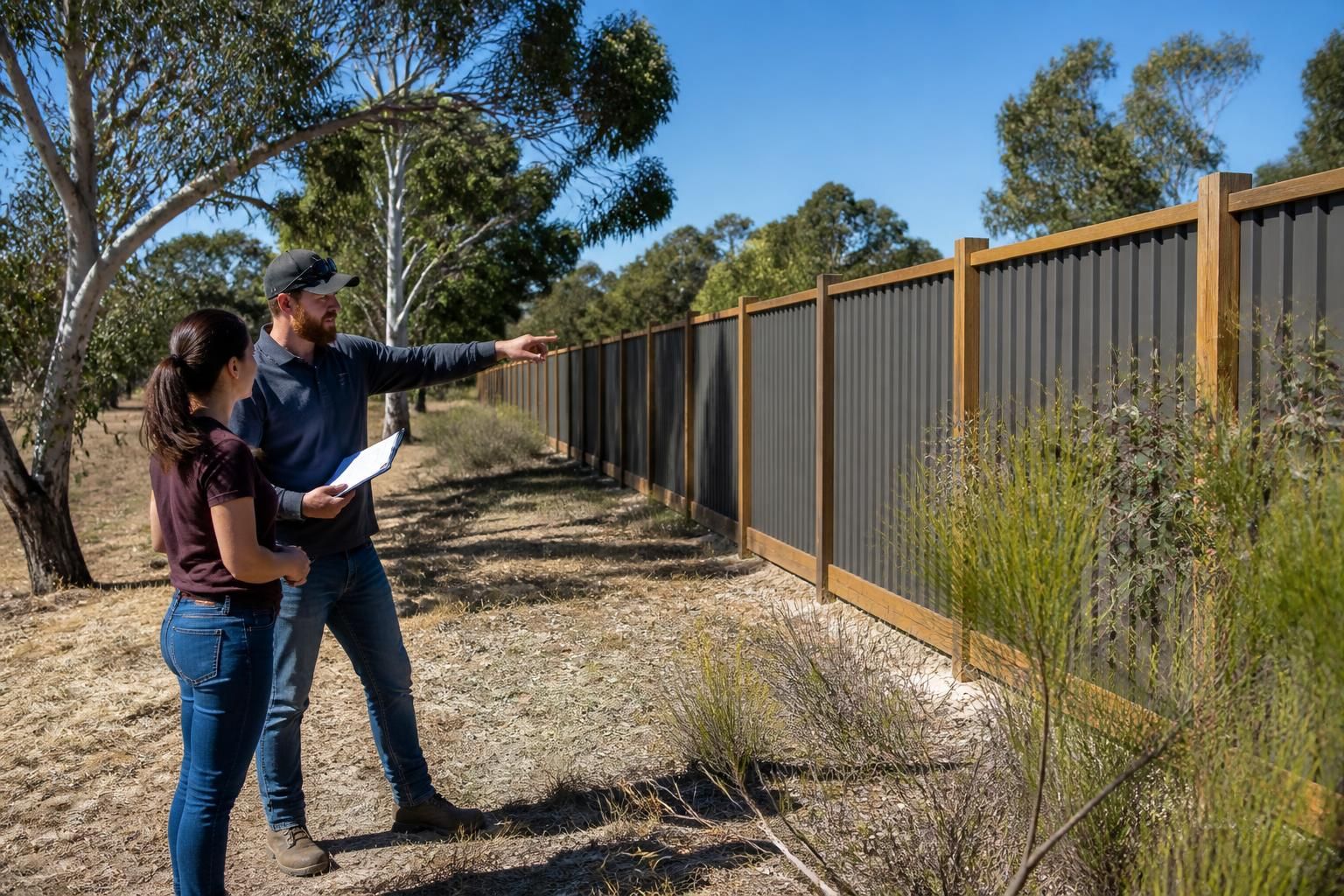
Fencing is more than just a physical boundary—it’s a key component in defining property lines, ensuring privacy, enhancing security, and contributing to neighborhood aesthetics in Western Australia. However, the process of erecting or altering fences involves a web of rules, permits, and local council approvals, which can be confusing and vary greatly depending on the specifics of your property and fence design. Navigating fencing permits in Western Australia requires understanding the permit requirements, fencing regulations, and various compliance standards that govern property fencing across urban and rural zones.
This comprehensive guide explores the essential elements every homeowner, builder, or property investor should know about fencing permits, the permit application process, construction guidelines, and neighbourly responsibilities regarding boundary fences. From front fences to dividing fences, each comes with unique considerations influenced by factors such as fence height, materials, location, and zoning policies.
Decoding Fencing Permit Requirements and Local Council Approval in Western Australia
One of the first challenges property owners face when planning a new fence or modifying an existing one is determining if a fencing permit is necessary. In Western Australia, whether fencing permits are required depends heavily on several key aspects such as the fence’s location, height, materials used, and specific local council rules affecting your property.
Local councils exercise the authority to regulate fences within their boundaries, often imposing distinct regulations for front fences versus rear or side boundary fences. For instance, front fences frequently undergo stricter scrutiny due to their impact on street visibility, pedestrian safety, and neighborhood character, while side or rear fences often face fewer constraints.
Each council’s approach to fencing permits can differ significantly, so homeowners must verify their local council approval process before commencing construction. For example, a fence that meets the deemed-to-comply standards might be exempt from approval, but fences that exceed height limits or are constructed from non-standard materials might require a full application.
When considering permit requirements, remember these critical factors:
- Fence Location: Front fences usually have more regulations than side or rear fences.
- Height Restrictions: Standard dividing fences under approved heights often don’t need permits; exceeding these limits usually triggers review.
- Material Type: Certain materials, especially in bushfire-prone or heritage areas, might face additional restrictions or require compliance certifications.
- Property Zoning: Urban, rural, and commercial zones have different fencing regulations affecting permit needs.
For additional clarity, the Western Australian Government’s Dividing Fences Act 1961 provides detailed guidance on negotiating fence agreements with neighbours, cost-sharing, and boundary issues. Meanwhile, the City of Perth’s official page on permission to erect or alter a fence outlines local permit conditions.
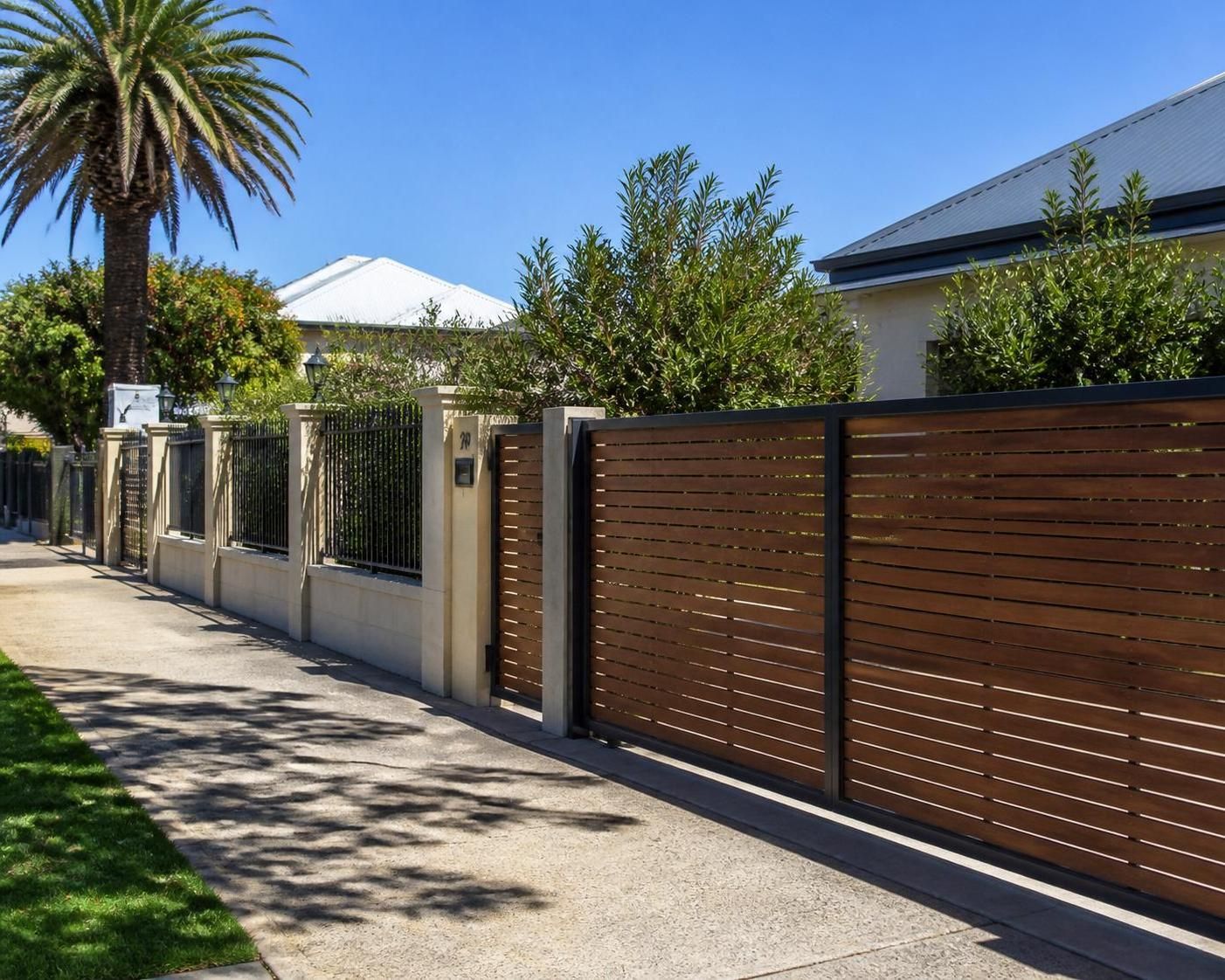
Understanding Boundary Fences: Shared Responsibilities and Legal Frameworks
Boundary fences, also referred to as dividing fences, demarcate the limits between adjoining properties. These fences often become a source of disputes if expectations and responsibilities are unclear. The Western Australian Dividing Fence Act 1961 sets out the legal framework addressing who is responsible for construction and repairs, how to settle disagreements, and the processes for sharing costs between neighbours.
A common scenario involves two neighbours planning to erect or replace a boundary fence. Both parties must agree on the type, height, and materials—factors that can deeply affect the fence’s appearance and cost. For example, one neighbour might prefer a high acoustic fence made from modern composite materials for privacy, while the other may favour a lower, timber fence to maintain a traditional streetscape appearance.
When neighbours cannot agree, the Act provides mechanisms to resolve disputes, including mediation and, if necessary, formal reviews through local courts or tribunals. Fencing disputes can escalate quickly if fences are built off the agreed boundary, exceed permitted heights, or lack necessary permits.
Checking property titles and conducting precise surveys before fence installation are critical steps to avoid costly misunderstandings. Experienced fencing contractors often assist in ensuring compliance with legal boundaries and local council rules during the planning stage. The Citizens Advice Bureau’s guide on issues with dividing fences sheds light on common neighbour conflicts and legal rights.
Here are key elements property owners should consider regarding boundary fences in Western Australia:
- Clear communication: Engage with neighbours early to discuss fence design, materials, and costs.
- Legal boundaries: Confirm the exact property line through a cadastral survey.
- Cost sharing: Generally, neighbours share the cost equally, but specific arrangements should be documented.
- Permit compliance: Ensure any necessary fencing permits and approvals are obtained before work begins.
- Dispute resolution: Utilize mediation services if disagreements arise to avoid lengthy legal battles.
Fence Construction Guidelines and Compliance Standards for Different Fence Types
The choice of fencing style and construction materials in Western Australia is subject to not only aesthetic preference but also safety codes, environmental considerations, and local compliance standards. For example, pool fencing regulations demand strict adherence to height and permeability requirements to protect children.
Standard residential boundary fences often feature timber, Colorbond steel, or wire mesh, but these materials must meet local construction guidelines and fire safety standards, especially if located in bushfire-prone zones or coastal regions. The compliance standards also differ if the fence serves a commercial or industrial purpose.
For instance, a Colorbond fence on a residential property may require a maximum height of 1.8 meters without a permit, but increasing height or adding features like gates or screens might necessitate formal approval. Additionally, heritage-listed properties might face constraints aimed at preserving streetscape characters, limiting design choices.
The following table summarizes common fence types and their typical compliance considerations in Western Australia:
| Fence Type | Common Materials | Typical Height Limit | Permit Requirement | Key Compliance Notes |
|---|---|---|---|---|
| Front Fence | Timber, Colorbond, Aluminium | Up to 1.2 meters (solid), 1.8 meters (open) | Often required | Visibility, streetscape, local council restrictions |
| Side/Rear Fence | Timber, Wire Mesh, Colorbond | Up to 1.8 meters | Typically not required if within standard height | Boundary alignment, neighbour consent |
| Pool Fence | Mesh, Glass, Aluminium | Minimum 1.2 meters, must comply with safety standards | Mandatory building approval | Child safety, gate self-closing, lockable |
| Rural Fence | Wire Mesh, Timber Posts | Varies | Varies by zoning | Access, gate placement, road frontage |
Property owners should consult local building codes or fencing specialists to ensure fence designs meet the required construction guidelines. When in doubt, expert advice can save significant time and expense.
Navigating the Permit Application Process: Step-by-Step for Western Australian Property Owners
Applying for fencing permits in Western Australia involves understanding procedural requirements, submitting accurate documentation, and sometimes liaising with neighbours and local councils. The permit application process generally involves several stages:
- Pre-application research: Consult your local council to review the applicable fencing regulations and ensure your fence complies with zoning and height requirements.
- Neighbour consultation: For shared boundary fences, engage your neighbour to discuss design and cost-sharing to avoid disputes later.
- Documentation preparation: Prepare a site plan showing boundary lines, fence placement, proposed materials, and elevations.
- Submission: Submit your fencing permit application to the local council or relevant authority. This may include fees and supporting documents like engineering certificates if the fence is above a certain height.
- Approval and conditions: Await approval. Councils may impose conditions that you must adhere to during construction.
- Construction compliance: Build your fence according to the approved plans and standards to avoid penalties or forced modifications.
Many councils offer online portals to streamline this process, and seeking help from fencing contractors experienced in permit processes can facilitate smoother approval. Remember, failing to obtain the correct permit can lead to costly rework or fines.
For detailed guidance on the permit application process, visit resources like SureFence WA’s fencing permit overview which explains when permits are legally required and how to avoid common pitfalls.
Common Compliance Pitfalls and Tips for Smooth Approval of Property Fencing
Despite the detailed regulations and available guidelines, many property owners encounter challenges in complying with fencing regulations in Western Australia. Some typical pitfalls include:
- Assuming no permit is needed: Many assume that replacing an existing fence doesn’t require approval; however, changes in height, position, or material often trigger permit requirements.
- Ignoring neighbour agreements: For dividing fences, lack of neighbour consent or failure to resolve disputes amicably can result in legal complications.
- Overlooking location specifics: Corner lots, fences near driveways or intersections require special attention to meet visibility and safety standards.
- Misunderstanding local council variations: Different councils have different policies; what’s allowed in one suburb may not be approved in another.
- Using inappropriate materials or fence designs: Especially in heritage or bushfire-prone zones, non-compliant choices may be rejected or require costly modifications.
To minimize these risks and facilitate smooth approval, consider these tips:
- Early engagement: Contact your local council and fencing contractor early for tailored advice.
- Accurate boundary checks: Obtain professional property surveys where boundaries are unclear.
- Clear communication with neighbours: Hold discussions before application to build consensus.
- Understand zoning rules: Review your property’s zoning requirements and how they affect fencing.
- Document everything: Keep written records of agreements and permits to avoid disputes.
Property fencing is an important investment that adds security and value to your home. By familiarizing yourself with the permit requirements, construction guidelines, and local council approvals needed in Western Australia, you can avoid costly delays and legal challenges. For added resources on fencing disputes and legal responsibilities, the TV Fencing site provides insights on fencing disputes laws and regulations in Western Australia.
Do I always need a fencing permit in Western Australia?
Not always. Whether you need a permit depends on fence location, height, materials, and local council rules. Front fences or fences exceeding standard heights typically require permits, while some side and rear fences may not.
Can neighbours force me to pay for a dividing fence?
Under the Dividing Fences Act 1961, neighbours generally share costs of constructing or repairing boundary fences. However, agreements should be documented, and disputes may require mediation or legal advice.
What are the consequences of building a fence without proper approval?
Building a fence without required permits can lead to fines, orders to remove or modify the fence, and potential neighbour disputes. It’s essential to clarify permit needs before starting work.
Are there special requirements for pool fencing in Western Australia?
Yes, pool fences must comply with strict safety standards including minimum height, self-closing gates, and approved materials to prevent child access. Pool fencing always requires building approval.
How can I resolve a fencing dispute with my neighbour?
Effective communication, mediation services, and, if necessary, legal channels under the Dividing Fences Act 1961 can resolve disputes amicably. Early resolution typically saves time and money.