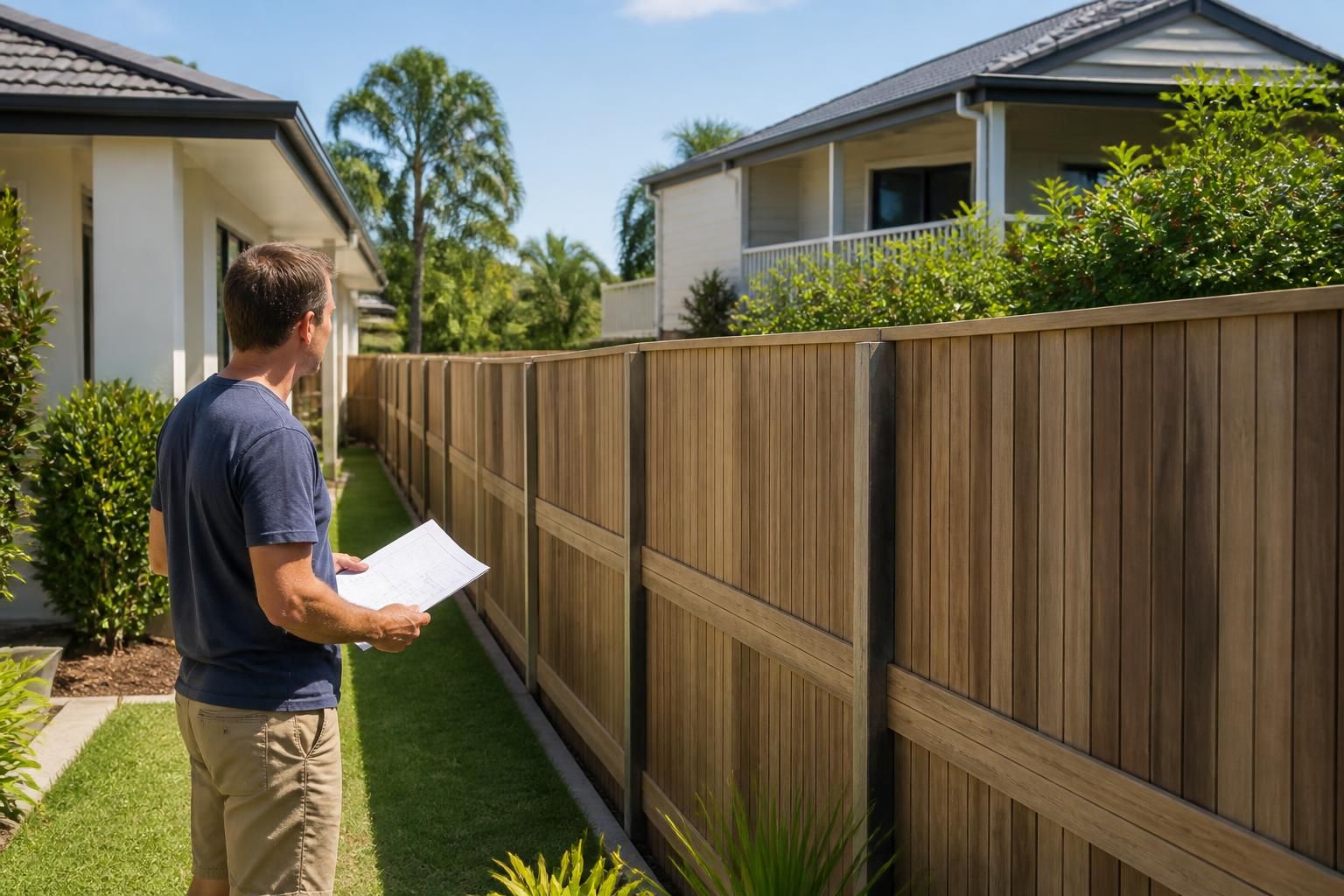
Boundary fences are more than mere structures separating properties; they represent shared responsibilities, legal considerations, and important elements of community living in Queensland. Homeowners navigating the complexities of property boundaries must understand the relevant boundary fence laws, which dictate everything from who pays for fencing costs to the legal procedures involved when disputes arise. This comprehensive guide sheds light on crucial knowledge for Queensland homeowners, helping them prepare, communicate effectively with neighbours, and comply with local council guidelines while safeguarding their property rights. Whether you live in a busy suburb of Brisbane or a quiet neighborhood on the outskirts, understanding your obligations and rights can save you time, money, and avoid conflicts.
In Queensland, specific fence regulations govern dividing fences, commonly referred to as boundary fences. These rules are framed within the Neighbourhood Disputes (Dividing Fences and Trees) Act 2011, aiming to balance the interests of neighbours and provide a clear legal pathway for disagreements. Boundary fences are especially important because they affect shared costs, maintenance duties, property aesthetics, and neighbourly relations. The importance of observing these laws has become pronounced in recent years due to increasing urban development, property value considerations, and evolving community expectations.
For any homeowner embarking on erecting, replacing, or repairing a boundary fence, knowledge is the first defense. This article delves into the critical facets of boundary fencing in Queensland, from who holds financial responsibility to the protocols dictated by legal requirements and local councils. Key points of interest include sharing the cost burden, navigating dispute resolution, understanding what constitutes a “sufficient fence,” and ensuring compliance with height and material restrictions. This depth of understanding equips homeowners to make informed decisions and promotes harmonious neighbourhood coexistence.
Key Principles of Boundary Fence Laws: Shared Property and Cost Obligations for Queensland Homeowners
At the heart of boundary fence laws in Queensland lies the principle that boundary fences are the shared property and responsibility of adjoining homeowners. The Neighbourhood Disputes (Dividing Fences and Trees) Act 2011 clearly stipulates that both neighbours must equally contribute to constructing and maintaining a “sufficient dividing fence.” This approach prevents one party from bearing the entire cost and encourages cooperative decision-making.
A “sufficient fence” generally refers to a fence adequate for the typical conditions and use of the properties involved. While standards may vary by area, most Brisbane residential zones expect fences approximately 1.8 meters high, built from materials like Colorbond steel or timber palings. This standard balances the need for privacy, security, and aesthetics. The definition of sufficiency also protects homeowners from the financial burden of unnecessarily expensive fences requested solely by one party.
When planning a fence, homeowners must understand this shared obligation to avoid conflicts. For example, if one neighbour needs a higher standard fence for a pool barrier or to contain pets, they might be liable for any extra cost beyond what is considered sufficient. Conversely, maintenance costs for existing fences are generally split equally, unless a repair benefits only one owner exclusively, in which case that owner bears the full expense.
This cost-sharing framework becomes particularly complex in inner-city and suburban areas where properties often have slopes, retaining walls, or unusual boundary layouts. Retaining structures supporting fences are considered separate from the fences themselves under Queensland law and usually are not shared equally. Detailed quotes separating fence from retaining wall costs are always advisable before approaching neighbours.
Legally, the act offers a clear process for homeowners to enforce their rights should disputes arise. Reaching an amicable agreement is encouraged first, but if unsuccessful, homeowners can involve the Queensland Civil and Administrative Tribunal (QCAT) to adjudicate on issues like fence type, cost-sharing, and timing. Understanding this process empowers homeowners to resolve disputes constructively.
Learn more about boundary fencing responsibilities in Queensland offers detailed insights into these obligations for residents and can be a vital resource during planning stages.
Formal Requirements and Protocols for Boundary Fence Construction and Replacement in Brisbane
Queensland law mandates that homeowners provide neighbours with written notice before commencing work on a boundary fence. This requirement ensures transparency and allows neighbours the opportunity to discuss, negotiate, or raise concerns in advance. The notice must detail the type of fence proposed, estimated costs, contractor information, and the suggested split of expenses. Skipping this step risks legal complications and potential financial liability, especially if neighbours seek to recover costs later.
The formal notice period typically lasts 30 days, during which neighbours may respond by agreeing, proposing alternatives, or not responding at all. Absence of response generally permits the proposing owner to proceed but leaves the door open to seek cost recovery through legal channels. Clear, written communication from the start can prevent drawn-out disagreements, encouraging cooperation and mutual respect.
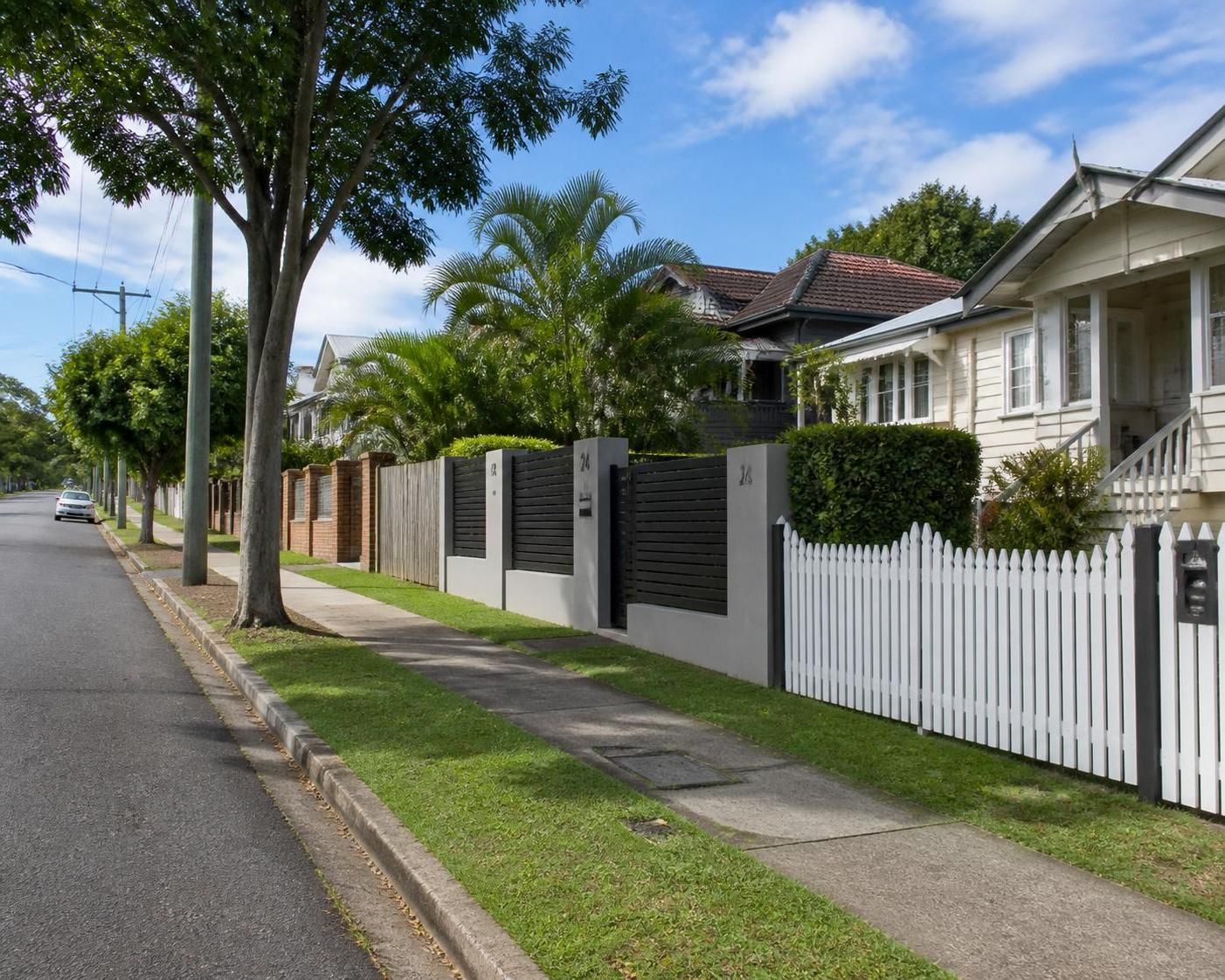
Besides written notice obligations, homeowners must consider local council guidelines. Most standard fences up to two meters in height and located on side or rear boundaries do not require council approval in Brisbane. However, exceptions apply, particularly for front fences or properties within special zoning or heritage overlays. For example, if your property is on a corner lot or near busy intersections, council restrictions on fence height, materials, visibility, and setbacks aim to ensure safety and maintain neighbourhood character.
Failure to observe these regulations may lead to costly enforcement actions, including orders to modify or remove non-compliant fences. Consulting your local council beforehand or engaging a fencing contractor familiar with regulations can smooth the approval process. Homeowners should also be familiar with general rules such as:
- Maximum fence heights (usually up to 2 meters without special approval)
- Restrictions on materials for front and visible fences
- Mandatory safety features for fences adjacent to public areas
- Provisions related to heritage protection areas
Compliance with these rules is both a legal responsibility and a way to maintain peaceful neighbourhood relations and protect property values.
Resolving Neighbour Disputes Over Boundary Fences: Practical Guidance for Queensland Homeowners
Disputes about property boundaries and fencing are a common source of neighbour tension across Queensland. Issues often arise around cost responsibilities, the type and height of the fence, or timing for repairs and construction. Fortunately, Queensland’s Neighbourhood Disputes (Dividing Fences and Trees) Act 2011 provides a clear dispute resolution framework rooted in fairness and legal clarity.
Before escalating disagreements, homeowners are encouraged to engage in direct, respectful communication. Informal discussions or mediation often resolve issues much faster and with less emotional stress than formal legal processes. It is highly advised to:
- Discuss your concerns face-to-face or via written correspondence to document the conversation.
- Seek professional advice or quotes to clarify costs so all parties have transparent information.
- Explore alternatives or compromises that recognize each neighbour’s needs, like splitting costs of a basic fence but allowing upgrades paid solely by one party.
- Keep all agreements in writing to avoid misunderstandings.
If informal resolution fails, homeowners may apply to the Queensland Civil and Administrative Tribunal (QCAT). QCAT has the authority to order neighbours to build or repair fences, determine cost splits, and specify dispute timelines. Court intervention tends to be a last resort after ample attempts at cooperation.
Practically, this structured approach safeguards both parties by balancing cost fairness with flexibility. For example, a neighbour wanting an expensive hardwood fence cannot compel the other to pay beyond their share of a sufficient dividing fence. At the same time, if a neighbour refuses to contribute fairly to necessary repairs, you have legal recourse.
Understanding your responsibilities as a fence owner under Queensland law allows you to proactively manage fence-related neighbour interactions effectively.
Fence Maintenance Responsibilities and Urgent Repairs: What Queensland Homeowners Should Prepare For
Maintaining boundary fences is not merely about aesthetics; it is crucial for safety, privacy, and preserving property values. Queensland law obliges both neighbours to share the cost of routine upkeep and repair of dividing fences, reinforcing the concept of mutual responsibility. This joint maintenance duty extends to ensuring fences meet safety requirements and remain effective barriers for pets or children.
However, urgent repair scenarios require a nuanced approach. Severe weather events, common in Brisbane and surrounding areas, can cause sudden fence collapses or significant damage. In these cases, urgent repairs can be undertaken without prior formal notice if the situation poses a hazard. Homeowners must notify the neighbour as soon as possible after making these repairs to discuss cost-sharing. Such practical provisions are designed to protect public safety while respecting neighbour contributions.
Routine maintenance activities, like repainting, fixing minor damage, or replacing worn materials, require cooperation and agreed budgeting. For fences that are aging or subject to incremental damage, delays in repair may escalate costs and tensions, underscoring the need for timely communication.
An example can be drawn from inner-city Brisbane suburbs experiencing frequent storms: improper upkeep of boundary fences not only leads to safety risks but also heightens the chance of local council involvement if fences become hazardous or non-compliant.
| Type of Fence Work | Responsibility | Typical Circumstances | Examples |
|---|---|---|---|
| New Fence Construction | Shared equally unless upgrades requested | First-time installation or complete replacement | Standard 1.8m timber or Colorbond fence |
| Routine Maintenance | Shared equally | Repainting, minor repairs | Fixing loose palings or repainting metal fences |
| Urgent Repairs | Initial cost borne by repairer; cost shared post-notification | Storm damage, safety hazards | Storm-downed panels requiring immediate replacement |
| Retaining Walls Supporting Fences | Typically single owner | Separate from dividing fence | Retaining wall holding back soil on one property side |
Preparedness and mutual respect in fence maintenance help uphold neighbour goodwill and prevent costly legal battles. Regular inspections and transparent discussions about fence conditions foster an environment conducive to collaborative upkeep.
Local Council Guidelines and Compliance: Navigating Fence Height and Material Regulations in Queensland
Compliance with council regulations is an indispensable element of boundary fence construction and maintenance in Queensland. Most Brisbane local councils establish guidelines to regulate fence heights, materials, and locations to protect streetscape appearance, safety, and neighbourhood amenity. While a typical rear boundary fence up to two meters high might not need explicit council approval, front fences, corner blocks, and special zoning areas often require permits or adherence to stricter rules.
For instance, councils may prohibit certain materials for front fences in character or heritage zones to preserve historical aesthetics. Others might require fences to be lower or have non-obstructive designs near intersections and driveways to maintain visibility and safety. These rules are vital for avoiding penalties and maintaining harmonious community environments.
Understanding these legal requirements beforehand can be facilitated by engaging with local council offices or consulting reliable contractors familiar with Brisbane’s fencing landscape. Such diligence often prevents project delays or costly fence reconstructions due to non-compliance.
Explore Brisbane City Council’s boundary fence approval processes and guidelines for up-to-date advice tailored to your suburb.
In summary, fences in Queensland come with legal obligations and practical considerations that every homeowner should understand fully to protect their property value and neighbourly relations. Through clear communication, respect for regulations, and adherence to correct procedures, boundary fences can remain sources of privacy and security rather than dispute and expense.
Who is responsible for paying for a boundary fence in Queensland?
Both neighbours generally share the cost equally for a sufficient dividing fence according to the Neighbourhood Disputes (Dividing Fences and Trees) Act 2011. Exceptions exist if one party requests upgrades or additional features.
Do I need local council approval to build or replace my boundary fence?
Most standard residential fences up to two meters in height and not located in special zones do not require council approval. However, front fences, corner blocks, or heritage areas often have specific requirements. It’s best to consult your local council before starting.
What happens if my neighbour refuses to contribute to fencing costs?
Queensland provides a formal dispute resolution process where you can apply to the Queensland Civil and Administrative Tribunal (QCAT) for a determination on fencing matters. It’s advised to try direct negotiation first, but QCAT offers legal recourse.
Can urgent repairs to a boundary fence be made without notice?
Yes, in the case of safety hazards such as damage from storms, urgent repairs can be made immediately to prevent harm. The neighbour must be notified as soon as reasonably possible to discuss cost-sharing.
Are retaining walls considered part of the dividing fence?
No, retaining walls are generally not considered dividing fences under Queensland law and are usually the responsibility of the owner on whose property they are situated. Fencing on top of retaining walls is treated separately with usual cost-sharing rules applying.