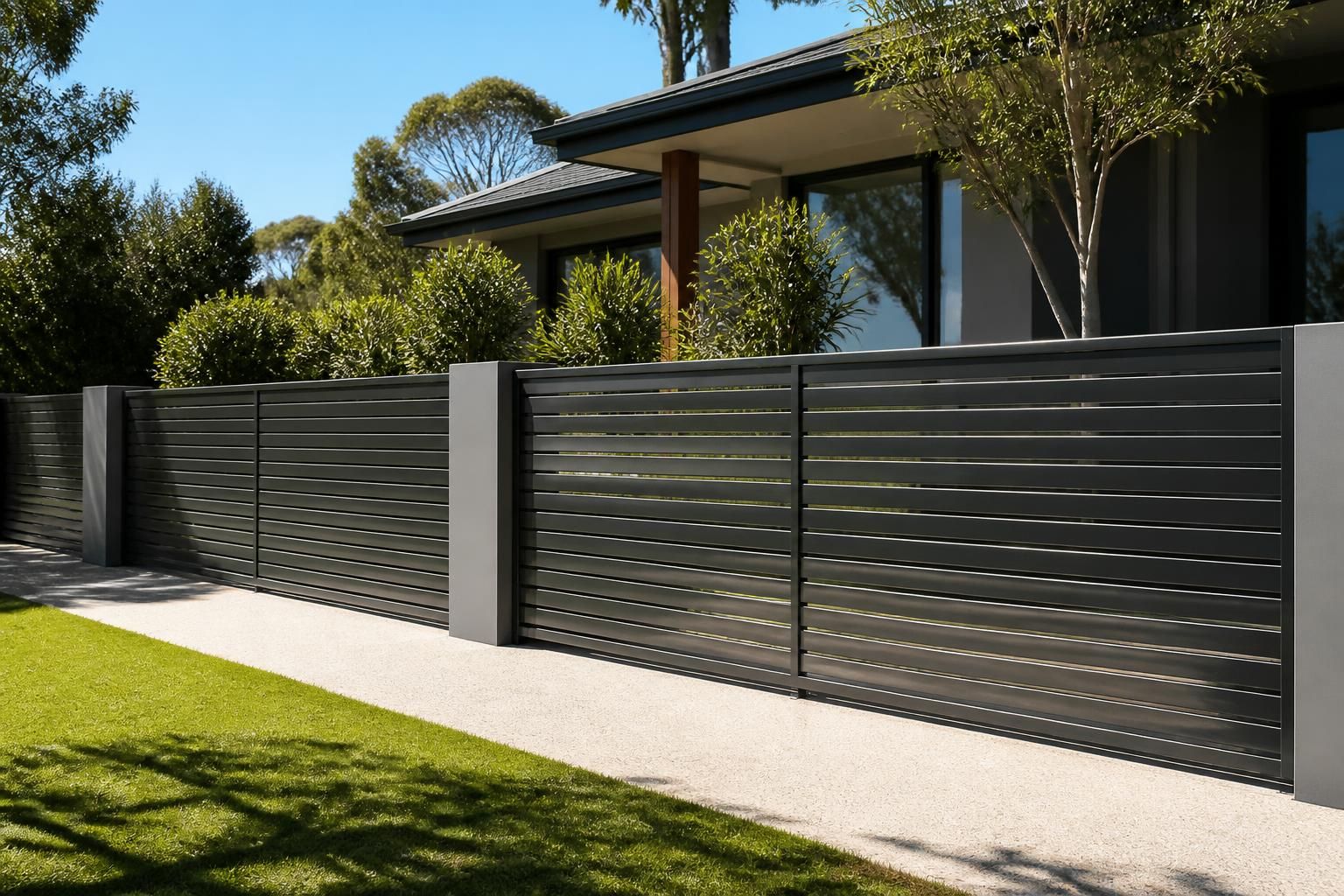
Aluminium slat fences are becoming a go-to choice for homeowners and commercial properties across Australia, thanks to their blend of aesthetic appeal, durability, and relatively low maintenance. In 2025, the fencing industry has seen a surge in demand for these modern enclosures, particularly in residential areas where appearance and longevity matter. However, navigating the pricing structure of aluminium slat fences can be tricky due to the wide variety of factors influencing cost. These include the choice of fencing materials, installation methods, and specific site requirements. Understanding these variables can help property owners make informed decisions about their fencing investment.
Choosing aluminium fencing means opting for a product that offers more than just privacy—it’s about balancing cost with long-term value. While upfront prices may seem higher than traditional timber options, the durability and minimal maintenance costs often tip the scales in aluminium’s favor. Experts in Australia caution potential buyers to be aware of the full financial scope, including the price of installation and potential extras such as gates and custom features. Evaluating the total cost against the expected lifespan and upkeep is crucial.
Additionally, advancements in fencing technology and supply chains have influenced the price ranges seen in 2025. Australian manufacturers now produce aluminium slat fences tailored for local climates, ensuring resistance against corrosion, UV damage, and insect infestation alike. The market is diversifying with various styles, coatings, and custom configurations, providing choices that impact the final price tag. This dynamic landscape underscores the need for consumers to carefully research and compare products and services.
In summary, understanding aluminium slat fence costs in Australia in 2025 requires a detailed look into the types of fencing materials available, installation practices, site-specific challenges, and ongoing maintenance implications. This comprehensive approach empowers fence owners to secure a stylish, robust, and economically sensible fencing solution.
Key points at a glance:
- Aluminium slat fences offer longevity and low maintenance compared to timber fencing, often justifying higher initial costs.
- Cost varies based on materials, fence size, height, and installation complexity.
- Installation labor is a significant contributor to total pricing, influenced by location and site conditions.
- Custom options, such as gates or rendered bases, increase overall investment.
- Obtaining multiple quotes from qualified builders is essential for budget accuracy and quality assurance.
Why Aluminium Slat Fencing Stands Out Among Fencing Materials in Australia
Aluminium fencing has earned a respected position in the Australian market as a premium fencing material ideal for various applications such as garden boundaries, pool safety enclosures, and security fences. Unlike traditional timber or wrought iron, aluminium slat fences combine several qualities that make them especially attractive for residential fencing.
One of the primary advantages of aluminium is its balance of strength and weight. Aluminium slat fences are lightweight compared to steel, which simplifies handling and installation but do not compromise on security or durability. This benefit is critical, especially in regions prone to extreme weather, as aluminium withstands the harsh Australian sun and coastal salt air without rusting or deteriorating.
Furthermore, aluminium fences come pre-powder coated in an array of colors, providing flexibility for customization without the need for additional painting or treatments, unlike timber which requires regular upkeep. The coating methods also embed UV protection, ensuring color longevity over several years.
From a design perspective, aluminium slat fences can emulate traditional timber aesthetics or incorporate a sleek, modern look. Decorative options, including various spacing and slat sizes, enhance the curb appeal and increase property value. Homeowners appreciate that the fence remains ready-to-use with only occasional cleaning, as it resists pests, mold, and warping.
Compared to other fencing materials:
- Treated timber demands frequent maintenance, is vulnerable to termites, and can warp or rot under damp conditions;
- Steel or wrought iron offers high security but requires ongoing rust-prevention treatments and tends to be heavier and more expensive;
- Vinyl fences are easier to maintain but often lack the strength and premium appearance that aluminium slat fences offer.
Choosing aluminium not only contributes to a sustainable and low-maintenance fencing solution but also supports Australian manufacturers who tailor these fences for local environmental conditions. This local sourcing assures compliance with Australian standards and suits the unique demands of Australian properties.
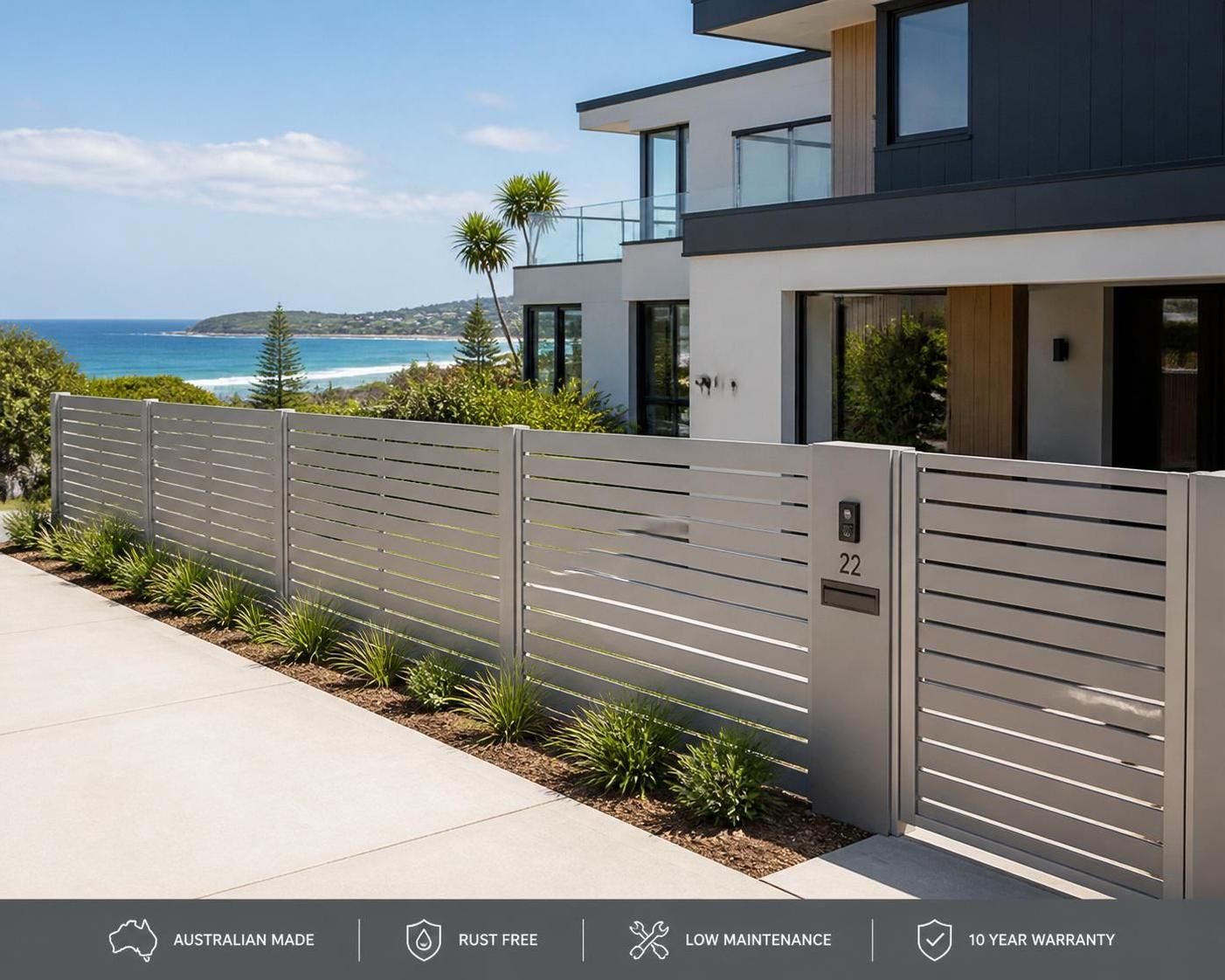
Breaking Down the Cost Structure of Aluminium Slat Fences in Australia
Understanding the pricing of aluminium slat fences requires breaking down the components that contribute to the final cost. The price of aluminium fencing can vary widely depending on both material choices and project specifics. Typically, costs fall into several categories:
Material Costs
The base price of aluminium slat fencing materials, including panels and posts, can range from approximately $95 to $155 per square metre for standard powder-coated slat fence screens. Premium versions that incorporate rendered brick or sandstone bases combined with aluminium can cost upwards of $750 to $1200 per metre due to added materials and craftsmanship.
Installation accessories such as clamps, hinges, and locks are additional costs but crucial for a fully functioning fence. These can range from a few dollars for basic items to over one hundred dollars for specialized components. Specialty finishes like Interpon D1000 colour options also add to the list price but provide enhanced aesthetic appeal and durability.
Labor and Installation
Labour charges in Australia vary by region but typically sit between $65 to $110 per metre. More complex installations, such as those requiring foundation footings or on uneven terrain, tend to increase total labor costs. For instance, fences on sloping sites or rocky soils require extra groundwork and potentially scaffolding, which affects price.
The overall labour cost may be further influenced by site accessibility. Restricted access or urban locations requiring traffic management will add fees. A comprehensive evaluation of site conditions allows fence builders to provide accurate and fair quotes.
Gates and Additional Features
Including a gate in the aluminium fencing project naturally increases total expenditure. Single powder-coated aluminium gates can cost around $2900, whereas double gates may reach $3700 or more, depending on mechanisms and security features.
Other enhancements like integrated lighting, decorative panels, or secure locking mechanisms add to the investment but elevate the fence’s functionality and value.
Typical Project Cost Estimates
For planning purposes, a small residential aluminium slat fence installation might start from $2000, scaling up to $5500 for larger homes, and exceeding $8000 for premium or custom fencing solutions with advanced features. Buyers should consider these estimations as a general guide and obtain personalized quotes from reputable local builders such as those linked on hipages or Sidepost Fencing.
| Fence Type | Material Cost (AUD) | Installation Cost per Metre (AUD) | Typical Total Cost |
|---|---|---|---|
| Standard Aluminium Slat Fence | $95 – $155 per sqm | $65 – $110 | $2,000 – $5,500 |
| Rendered Brick and Aluminium Fence | $750 – $1200 per metre | $80 – $120 | $5,000 – $8,000+ |
| Sandstone and Aluminium Fence | $850 – $1000 per metre | $90 – $130 | $6,000 – $9,000+ |
Factors Influencing Aluminium Slat Fence Cost and Installation Complexity
Several critical factors impact the pricing and installation complexity of aluminium slat fences in Australia. Recognizing these elements allows homeowners to anticipate costs and choose appropriate designs and professionals.
Fence Dimensions and Configuration
The length and height of a fence are among the most straightforward cost influencers. Standard heights vary from 0.9m up to 2.1m, with taller fences often incurring higher prices due to additional materials and potential regulatory requirements. For fences taller than 2.4m, extra fees for scaffolding or safety measures can apply.
Site and Soil Conditions
Installation on challenging terrains—such as rocky, uneven, or soft soils—affects labor intensity and materials needed. This can increase foundation requirements or prolong installation time. Additionally, hard-to-access sites can raise transport and setup costs.
Removal of Existing Fences
If replacing an old fence, removal and disposal services are typically extra charges. Some fencing providers bundle this work but at additional cost. Clarifying this in preliminary quotes avoids surprises.
Material and Style Choices
The variety of aluminium finishes and construction styles influences project price. Matte, glossy, or textured powder coatings each come at different costs, and designer patterns or spacing adjustments may add to complexity and expense.
Permits and Regulations
Council approvals or neighborhood covenants add time and sometimes fees. Engaging a qualified fence builder who can assist with paperwork streamlines the process but might be reflected in pricing.
Homeowners are encouraged to consider these components carefully and contact experienced installers through sources like Longain Fencing for accurate assessments and advice.
DIY vs. Professional Installation of Aluminium Slat Fencing: What You Need to Know
Considering whether to install aluminium slat fencing yourself or hire professionals is a key decision in managing project cost and outcome quality. While DIY might seem appealing to reduce expenses, the benefits and risks attached to each approach merit a closer look.
The DIY Approach
For the experienced DIYer with necessary tools and skills, installing aluminium fencing can be a rewarding project. DIY kits, such as those offered by Online Fence Supplies, provide modular components, simplifying assembly with pre-powder coated parts and straightforward fitting systems.
However, without proper experience, challenges such as achieving correct fence height, alignment, and securing posts properly may lead to structural weaknesses or non-compliance with local bylaws. The risk of damage during assembly or improper use of tools can offset upfront savings.
Hiring Professional Fence Builders
Professionals bring expertise in site assessment, material handling, and assembly. They ensure fences meet safety codes, council regulations, and property boundary requirements. Installation firms also offer warranties covering defects and workmanship, adding peace of mind.
Additionally, experts can provide assistance with council approvals and paperwork, which are sometimes difficult for property owners to navigate alone. Their knowledge helps avoid costly mistakes related to improper fencing heights or unapproved materials.
What to Look for When Choosing a Fence Builder
- Verification of valid license and insurance coverage
- Clear, detailed written quotes that outline inclusions and exclusions
- Positive customer references and reviews
- Warranty terms on materials and work
- Local expertise and compliance knowledge
Obtaining at least three quotes provides perspective on market rates and service offerings. It’s advisable not to automatically opt for the lowest price, but to weigh quality and reliability alongside cost. Resources like Tradie Verify can help identify reputable professionals.
Comparing Long-Term Maintenance and Durability: Aluminium Slat Fence Value
One of the most compelling reasons consumers opt for aluminium slat fencing over other fencing materials involves long-term durability and maintenance cost savings. Understanding these ongoing costs is instrumental in assessing true value beyond initial pricing.
Resistance to Environmental Factors
Australian climates vary greatly, from blazing sun to coastal salt spray to rainy, humid conditions. Aluminium slat fences maintain integrity across these scenarios. The powder coating protects against UV rays, salinity, and moisture without cracking or peeling, a common issue with timber or painted steel fences.
Low Maintenance Benefits
Unlike timber requiring regular painting, sealing, or pest treatments, aluminium simply needs occasional washing with water to maintain its appearance. This minimal upkeep reduces both material and labor costs over time. It also eliminates risks of rotting, mold, or termite damage, which can be costly to repair.
Durability Compared to Other Popular Fencing Types
| Material | Expected Lifespan | Main Maintenance Needs | Typical Issues |
|---|---|---|---|
| Aluminium Slat Fences | 20-30 years+ | Occasional washing | Minor cosmetic wear; no rust or rot |
| Treated Timber | 7-15 years | Regular painting and sealing; termite treatment | Warping, rotting, pest damage |
| Steel/Wrought Iron | 15-25 years | Rust prevention treatment, repainting | Rust and corrosion |
| Vinyl | 15-20 years | Cleaning only | Cracking, fading |
Such longevity and low maintenance position aluminium slat fences as cost-effective solutions over decades, making them excellent choices for Australian residential fencing needs. Many suppliers, including Affordable Fencing Supplies, provide warranties aligning with these expectations.
The decision to invest in aluminium fencing should consider this long-term perspective; cheaper materials often incur higher repair and replacement costs, negating upfront savings. Aluminium’s resilience notably benefits coastal Australians where corrosion is a major risk.
How much does aluminium slat fencing cost per metre in Australia?
The cost typically ranges from $95 to $155 per square metre for powder-coated slat fences, with additional installation fees between $65 to $110 per metre depending on the complexity and location.
Is aluminium fencing a good investment compared to timber?
Yes. Though aluminium fences cost more initially, they require less maintenance and have greater durability, making them more cost-effective over their lifespan.
Can I install aluminium slat fencing myself?
DIY installation is possible with the right tools and skills, especially using kits designed for easy assembly. However, professional installation ensures compliance and quality workmanship.
What factors influence the final price of aluminium fencing?
Fence height, length, site conditions, material quality, gate inclusion, and labor rates all impact the total price of aluminium fencing projects.
Do aluminium fences require repainting or regular treatments?
No. Aluminium fences are powder coated to resist UV damage and avoid rusting, requiring only occasional cleaning to maintain appearance.